Buy Cashews Online India: What to Look For (And Brands to Avoid)
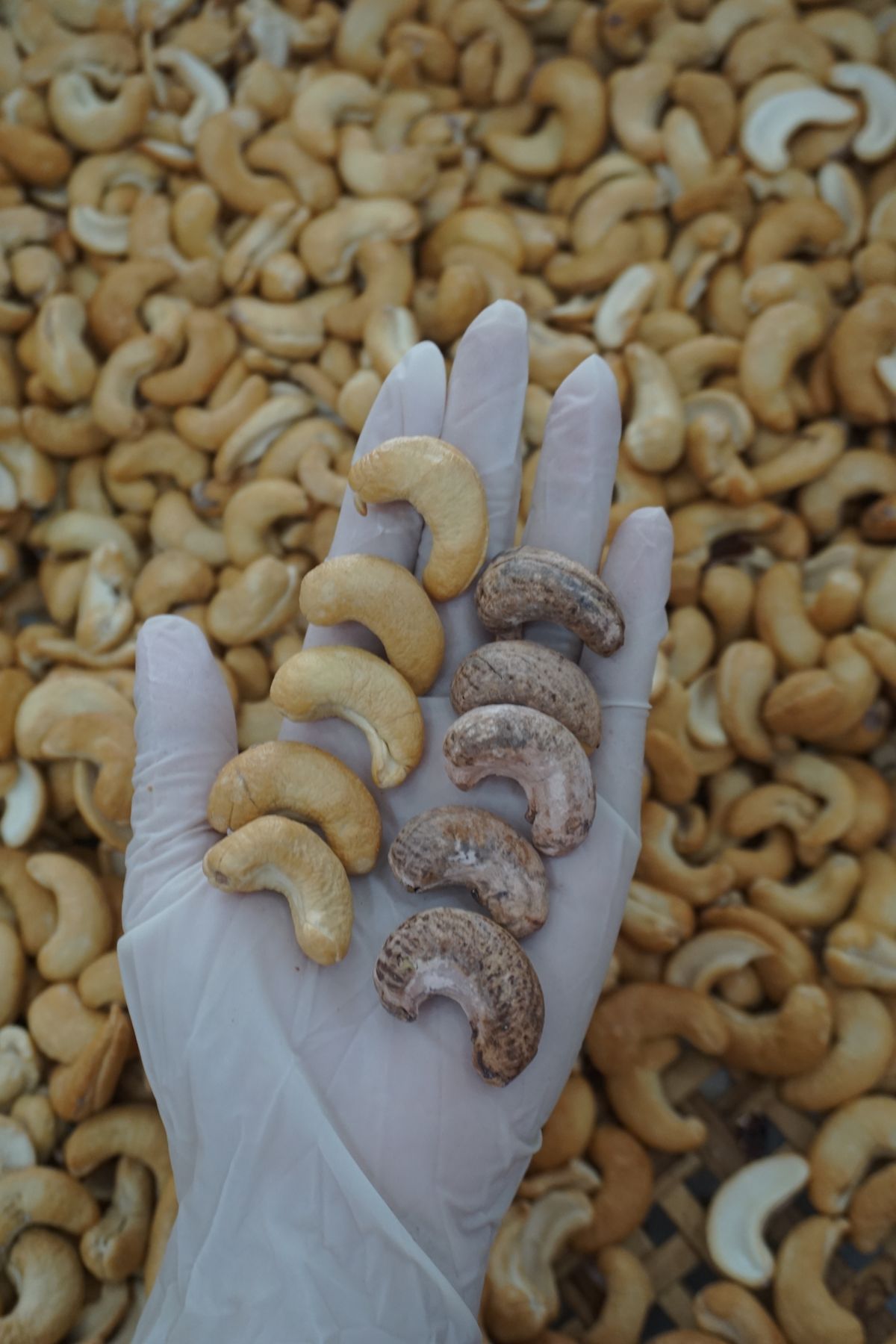
If you've been buying cashews online and wondering why some feel fresh and buttery while others taste dry and papery, the reason isn't just brand marketing. It's grade, source, roasting, and how long they've been sitting on a shelf.
Grades demystified
Indian cashew grades are numbers like W180, W210, W240, W320, W450. The W stands for "wholes" (unbroken kernels). The number is roughly how many kernels fit in a pound. Lower number = bigger, more premium nut.
- W180 — jumbo, rare, for gifting
- W240 — premium, large, for direct eating
- W320 — the everyday favourite, balance of size and price
- W450 — smaller wholes, great for cooking
- SW / LWP / SWP — splits, broken, for baking and masalas
Signs of fresh, high-quality cashews
- Creamy pale-white to light beige — not yellow or orange
- Buttery, slightly sweet smell — never musty or oily
- Satisfying crunch — not chewy or soft
- Uniform size across the pack if labelled W320 or W240
Red flags when buying online
- No grade mentioned — often means mixed broken + cheap stock
- Suspiciously cheap prices (₹400/kg for "premium W240")
- Generic stock photos instead of actual product shots
- No packaging or best-before date shown
- No GST invoice — they may be reselling unbranded stock
How to store them at home
Cashews contain healthy fats that go rancid in heat. Keep them in an airtight container in the fridge during summer, or in a cool pantry otherwise. Buy smaller packs more often rather than one giant tin that sits for 6 months.
A word on "plain" vs flavoured
Roasted salted cashews are delicious, but start with plain raw cashews to judge quality. Any good roast can hide mediocre raw material. A great cashew is great even unroasted.